
"coffee plant growing conditions"
3000 article(s) found

Coffee growing belts are located in the tropics between the Tropic of Cancer
Most of the world's coffee producing areas are located in the tropics between the Tropic of Cancer, which we call the Coffee Belt or Coffee Zone. As a tropical cash crop, coffee trees grow in the coffee belt with excellent climatic conditions, where direct sunlight all year round, abundant heat and abundant rainfall, and the annual average temperature is above 20℃. but the high temperature

Introduction to the planting environment and natural conditions of coffee trees from flowering to fruiting
Introduction to the planting environment and natural conditions of coffee trees from flowering to fruiting Coffee trees bloom continuously from February to May. Bear fruit after anthesis. The fruit is green. No artificial pollination is needed. Every March, the branches of the coffee tree will appear white flowers, petals arranged in a spiral, the heart of the flowers jump around the petals, take a closer look, it is really like a small windmill playing in childhood, sending out bursts of jasmine

Coffee planting techniques conditions for planting coffee trees coffee beans are planted
Coffee belt: coffee can not be grown in any environment, because it is originally a plant growing in a tropical rain forest, and in phylogeny, it forms the habit of calm wind, cool, shaded or semi-shaded and humid environment. We call the strips on both sides of the equator between latitudes 25 degrees south and north suitable for the growth of coffee trees as coffee belts. Temperature: the requirements for temperature vary with the species of cultivation

Kenyan coffee-producing countries with rich conditions for growing coffee beans
The highest temperature of the year is 22: 26 ℃ and the lowest is 10: 14 ℃. These conditions are very suitable for the excellent growth of Arabica beans. And high-quality Arabica coffee beans, its suitable growth conditions are on the slope of 900m ~ 2000 m above sea level in the tropics, the suitable growth temperature is 1524 ℃, the higher humidity, the annual rainfall is not less than 1500 ml, the soil is fertile and suitable for acidity and alkalinity.

Will the weather affect the flavor of the coffee during processing? What is the process of coffee processing?
As discussions about climate change become mainstream in the media in 2019, it is well known that global warming is no longer a distant future. Rising sea levels and rising temperatures have affected many aspects of human life. Agriculture is one of the most changing areas, and agriculture itself is also an important factor in greenhouse gas emissions. This will have a significant impact on coffee production.

How to grow coffee Coffee growing conditions
Professional coffee knowledge exchange More coffee bean information Please pay attention to coffee workshop (Weixin Official Accounts cafe_style) coffee tree planting knowledge Coffee trees grow in tropical areas between the Tropic of Cancer and the Tropic of Cancer and near the equator, also known as the world coffee growth belt, coffee trees because of varieties and regional factors, in appearance also have great differences. Long green leaves from yellow green to dark green or very green

Low yield coffee cultivation conditions Cultivation process and method Introduction
West Africa is the origin of Liberian coffee. It has strong adaptability to various environments such as high temperature or low temperature, humidity or dryness. It is not resistant to leaf rust and its flavor is worse than Arabica. Therefore, it is only traded domestically in some West African countries (Libya, Cote d'Ivoire, etc.) or planted for research. Coffee circulating in the world market

Conditions for growing coffee trees
Coffee cannot be grown in any environment, because it is originally a tropical rainforest plant, and in the development of the system, it develops habits that require calm wind, warm, shade or semi-shade and humid environments. We call the strip of area on both sides of the equator, between 25 degrees north and south latitude, suitable for the growth of coffee trees coffee belt.

Yunnan coffee growing area where is Yunnan suitable for growing coffee? what are the famous manors of origin?
Professional coffee knowledge exchange more coffee bean information please follow coffee workshop (Wechat official account cafe_style) Yunnan Coffee, Rubiaceae, Coffee Genus, planting areas are mainly distributed in Lincang, Baoshan, Simao, Xishuangbanna, Dehong and other prefectures. Small grains of coffee are native to Ethiopia or Arabian Peninsula. It is cultivated in Fujian, Guangdong, Hainan, Guangxi, Sichuan, Guizhou and Yunnan.

China coffee development history China coffee growing area China Yunnan coffee Yunnan coffee delicious
In terms of natural conditions, many areas of our country are very close to Latin America, South America, India, Indonesia and other places, and have innate conditions for coffee cultivation, but traditional culture and living customs restrict the development of coffee in China. Until recent years, with coffee more into the lives of ordinary Chinese people, with the impact of foreign culture and lifestyle, coffee cultivation only

What are the growing conditions of organic coffee the difference between organic coffee and ordinary coffee
Professional coffee knowledge exchange more coffee bean information Please pay attention to the coffee workshop (Wechat official account cafe_style) so-called organic coffee is coffee that grows without the use of synthetic pesticides, herbicides or chemical fertilizers. These ways of growing coffee are conducive to maintaining a healthy environment and keeping the groundwater pure. After the coffee is harvested, it must be used.
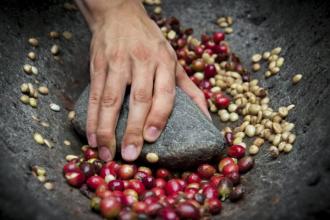
With unique natural conditions, Ethiopian coffee flavor, characteristics, taste and manor introduction
Ethiopia has unique natural conditions suitable for growing all imaginable varieties of coffee. As a upland crop, Ethiopian coffee beans are mainly grown in areas between 1100 and 2300 meters above sea level, roughly distributed in southern Ethiopia. Deep soil, well drained soil, weakly acidic soil, laterite and soil are soft and contain

The story of growing La Llama coffee farm in Bolivia? What are the growing conditions of La Llama coffee?
Professional coffee knowledge exchange more coffee bean information please follow the coffee workshop (Wechat official account cafe_style) Bolivia La Llama coffee farm planting story? What are the growing conditions of La Llama coffee? This very special Java micro batch comes from a new farmer named Finca La Llama, who was planted in 2015.

Cultivation techniques and Biological habits of Coffee Tree
2. Biological habits (1) Botanical characteristics (2) growth and flowering habits (3) requirements for environmental conditions (1) Botanical characteristics 1. Root coffee root is a conic root system, its morphology, distribution and depth vary with agro-technical measures, soil conditions and varieties. In the case of a political party, there is a thick and short main root and many developed lateral roots. According to the observation in Hainan Island

What are the local conditions? How will coffee be affected under these conditions?
Professional coffee knowledge exchange more coffee bean information please follow the coffee workshop (Wechat official account cafe_style) We often hear the word "local conditions" when talking about coffee, but what exactly does "local" mean? Does it have anything to do with the flavor of coffee? Why do we need to care about the local environment? The author interviewed some people in the coffee industry and wine industry and asked them to tell you how the local culture is.

Basic knowledge of Coffee beans cultivation conditions of Coffee trees
There is a noun called Coffee Belt. There are more than 60 coffee producing countries in the world, most of which are located in the tropics and subtropics between the Tropic of Cancer (latitude 2326). This coffee growing area is called a coffee belt or coffee area (Coffee Zone). The annual average temperature of the coffee belt is above 20 ℃, because the coffee tree is a tropical plant, and if the temperature is below 20 ℃,

How to cultivate coffee trees? The planting conditions of coffee trees? Common sense of coffee beans?
Professional coffee knowledge exchange more coffee bean information please follow the coffee workshop (Wechat official account cafe_style) this time we will introduce the whole process of coffee beans from planting to picking, so that we can fully understand the process of coffee beans from scratch. The growth process of coffee the seedling stage is the period from the germination of seeds (or cuttings, grafting) to the emergence of seedlings (nursery nursery)
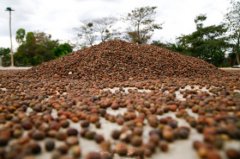
The coffee growing belt lies in the tropics between the Tropic of Cancer and the Tropic of Cancer.
Most of the coffee producing areas in the world are located in the tropics between the Tropic of Cancer and the Tropic of Cancer, which we call the coffee belt and Coffee Belt or Coffee Zone in English. As a tropical cash crop, coffee trees grow in coffee belts with excellent climatic conditions, where the sun shines all the year round, is rich in calories and Rain Water, and the annual average temperature is above 20 ℃. But the high temperature
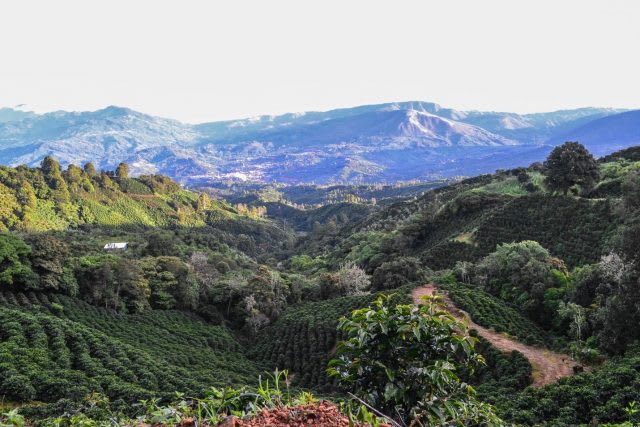
What are the local conditions? What is the effect of local conditions on the flavor of coffee?
Professional coffee knowledge exchange more coffee bean information please follow the coffee workshop (Wechat official account cafe_style) What Is Terroir and How Does It Affect Your Coffee We often hear the word "local conditions" when talking about coffee, but what exactly does "local" mean? Does it have anything to do with the flavor of coffee? Why do we need to care about the local environment? Author mining
Coffee cultivation techniques
Coffee, cocoa and tea are called the three major beverages in the world, and their output, consumption and output value all rank first. In addition to being used as a beverage, coffee can also extract caffeine and coffee oil; in medicine, it can be used as an anesthetic, stimulant and diuretic cardiotonic agent.